ERP Solutions
Running a business becomes more challenging as companies grow larger. Managing inventory, employees, sales, finance, customer records, and daily operations manually can waste time and create mistakes. This is why many businesses now use ERP Solutions to improve efficiency and productivity.
ERP systems help companies organize their work in one central platform. From small businesses to large enterprises, ERP software has become an important tool for business growth in the United States.
In this detailed guide, you will learn what ERP Solutions are, how they work, their benefits, important features, and why businesses are investing in enterprise resource planning ERP solutions in 2026.
What Is ERP Solutions?
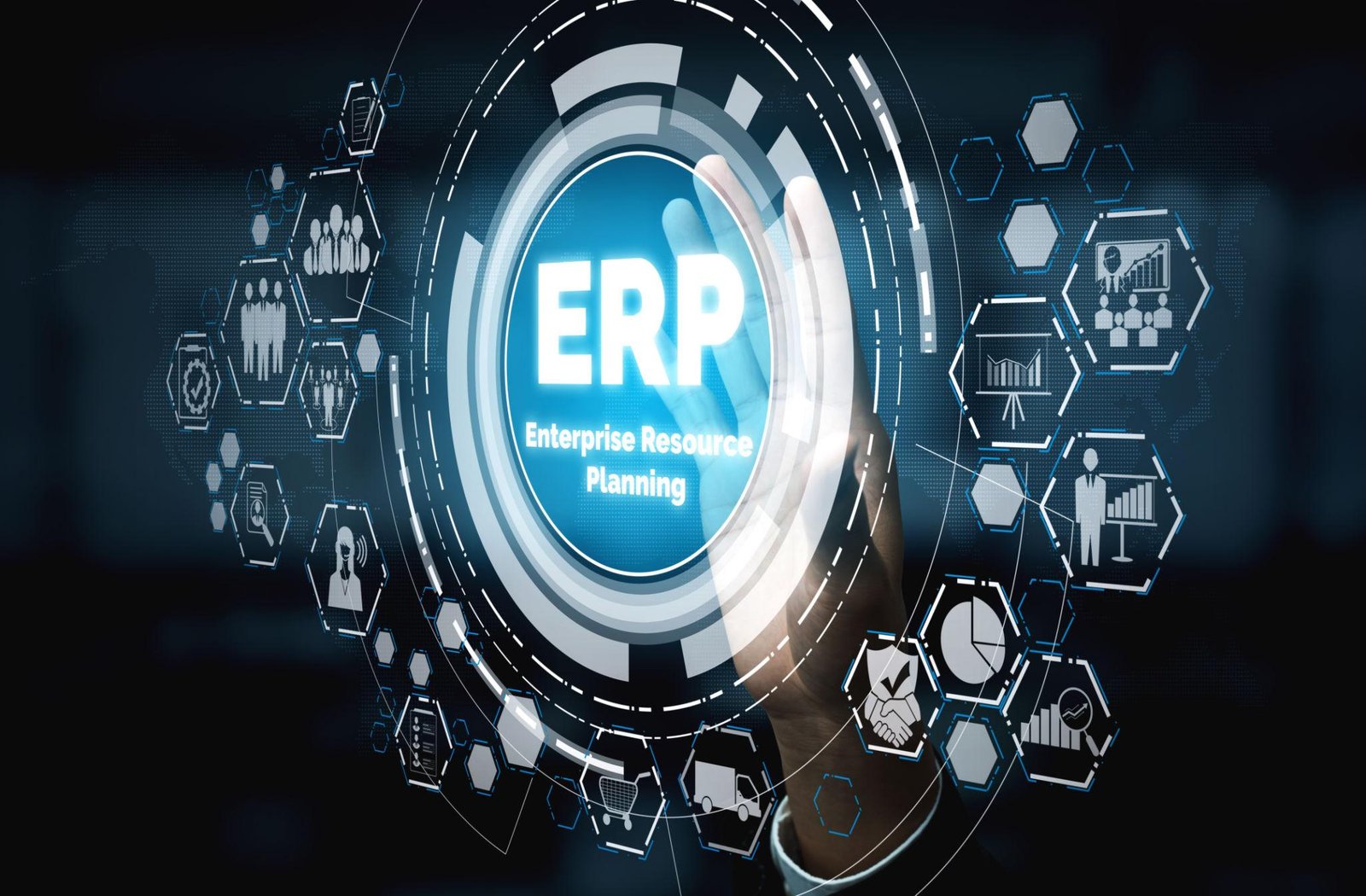
Many people search online asking, what is ERP solutions? ERP stands for Enterprise Resource Planning. ERP software is a business management system that helps companies manage multiple operations from one platform.
Instead of using separate software for accounting, inventory, human resources, and customer management, ERP systems connect everything together.
This helps businesses save time, improve teamwork, and reduce manual errors.
How ERP Solutions Work
ERP systems collect information from different business departments and store it in a single database. Employees from different teams can access updated information in real time.
For example:
- The sales team can check product inventory
- Finance teams can track payments
- HR departments can manage employee records
- Managers can monitor business performance
Everything stays connected through one system. Manual processes are often slow and difficult to manage.
ERP Solutions help businesses:
- Improve efficiency
- Save time
- Reduce errors
- Increase productivity
- Manage data centrally
- Improve decision-making
Companies in the USA are increasingly investing in enterprise resource planning ERP solutions because competition is growing in every industry.
Main Features of ERP Solutions
Different ERP platforms provide different tools, but most systems include these important features.
Financial Management
ERP systems help manage:
- Accounting
- Payments
- Expenses
- Tax records
- Financial reports
Inventory Management
Businesses can track stock levels, product movement, and warehouse data easily.
Human Resource Management
ERP software supports:
- Employee records
- Attendance tracking
- Payroll management
- Recruitment processes
Customer Relationship Management
Many ERP systems include CRM tools to improve customer support and communication.
Reporting and Analytics
ERP software creates reports that help businesses make smarter decisions.
Supply Chain Management
Companies can monitor suppliers, shipping, and logistics more efficiently.
Benefits of ERP Solutions
ERP systems offer many advantages for businesses of all sizes.
Better Business Efficiency
ERP software automates many daily tasks and reduces manual work.
Improved Data Accuracy
Centralized data reduces duplicate records and mistakes.
Faster Decision Making
Real-time reports help managers respond quickly.
Better Team Communication
Departments can work together more smoothly.
Increased Productivity
Employees spend less time on repetitive tasks.
Stronger Customer Service
Businesses can respond faster to customer needs.
Higher Business Growth
Efficient systems support long-term company expansion.
Types of ERP Solutions
There are different types of ERP systems available for businesses.
Cloud ERP
Cloud ERP works online and stores data on remote servers.
Advantages:
- Easy access from anywhere
- Lower setup costs
- Automatic updates
Best For:
- Small and medium businesses
- Remote teams
On-Premise ERP
This system is installed on company servers.
Advantages:
- More control
- Custom security settings
Best For:
- Large companies
- Businesses with special security needs
Hybrid ERP
Hybrid ERP combines cloud and on-premise features.
Advantages:
- Flexible setup
- Balanced control and accessibility
Comparison Table of ERP Types
| ERP Type | Cost | Accessibility | Best For |
|---|---|---|---|
| Cloud ERP | Lower | Anywhere Access | Small Businesses |
| On-Premise ERP | Higher | Office-Based | Large Companies |
| Hybrid ERP | Medium | Flexible | Growing Businesses |
Enterprise Resource Planning ERP Solutions for Small Businesses
Many people think ERP systems are only for large corporations, but small businesses can also benefit greatly.
Small businesses use ERP software for:
- Accounting
- Customer management
- Inventory tracking
- Payroll processing
- Business reporting
Modern cloud ERP systems are affordable and easy to use for startups and small companies.
Also check –ERP Solutions for Business Growth and Smart Management in 2026
ERP Solutions in Different Industries
ERP systems are useful in many industries.
Manufacturing Industry
Manufacturers use ERP software to track production, inventory, and supply chains.
Retail Industry
Retail businesses use ERP systems for sales, inventory, and customer management.
Healthcare Industry
Hospitals and clinics use ERP systems for patient records and administration.
Education Sector
Schools and colleges use ERP systems for student management and administration.
Ecommerce Businesses
Online stores use ERP software for order tracking and inventory control.
MasterSoft ERP Solutions
MasterSoft ERP Solutions is a well-known ERP platform used mainly in the education sector. Many schools, colleges, and universities use it to manage operations digitally.
MasterSoft ERP Solutions helps institutions manage:
- Student admissions
- Attendance
- Fees
- Examinations
- Staff management
- Online learning systems
Educational institutions use ERP systems to improve organization and communication.
Important Features to Look for in ERP Solutions
Choosing the right ERP platform is very important.
Easy User Interface
The software should be simple for employees to understand.
Customization Options
Businesses may need custom features based on their industry.
Strong Security
Data protection is very important for business operations.
Mobile Access
Mobile-friendly ERP systems improve flexibility.
Customer Support
Reliable technical support helps solve issues quickly.
Integration Options
ERP systems should connect with other business tools.
Scalability
Choose software that supports future business growth.
Common Challenges of ERP Implementation
ERP systems provide many benefits, but businesses may face some challenges during setup.
High Initial Costs
Large ERP systems may require significant investment.
Employee Training
Staff may need time to learn the new system.
Data Migration
Moving old data into new systems can be difficult.
Setup Time
ERP implementation may take weeks or months depending on business size.
Proper planning helps businesses avoid many of these problems.