Full Coverage Car Insurance
Many drivers in the United States look for full coverage car insurance because it gives wider protection than basic insurance plans. Whether you drive every day for work, travel with family, or own a new vehicle, having the right insurance can help you avoid large repair bills and financial stress after an accident.
Many people search online for good full coverage car insurance because they want both strong protection and affordable prices. At the same time, drivers also try to find the lowest full coverage car insurance to save money every month. The good news is that there are many ways to lower costs while still keeping solid coverage.
This guide explains everything in simple words. You will learn what full coverage means, what it covers, how prices are calculated, and how to find full coverage car insurance cheap without losing important benefits.
What Is Full Coverage Car Insurance?
The term full coverage car insurance usually means a policy that includes:
- Liability coverage
- Collision coverage
- Comprehensive coverage
These three parts work together to protect both you and your vehicle.
Liability insurance helps pay for damage or injuries you cause to other people in an accident. Collision insurance helps repair your own vehicle after a crash. Comprehensive insurance covers things like theft, storms, fire, vandalism, or falling objects.
Many lenders require full coverage if you finance or lease a car. Even if it is not required, many drivers still choose it because it offers more protection than state minimum insurance.
What Does Full Coverage Car Insurance Cover?
Here is a simple table showing what is usually included.
| Coverage Type | What It Covers |
|---|---|
| Liability Coverage | Damage and injuries to others |
| Collision | Damage to your own |
| Comprehensive Coverage | Theft, weather damage, fire, vandalism |
| Medical Payments | Medical bills after accidents |
| Uninsured Motorist | Protection if another driver has no insurance |
Some insurance companies may also offer extra benefits like roadside assistance, rental car coverage, or accident forgiveness.
Why Many Drivers Choose Full Coverage
Drivers choose good full coverage car insurance because accidents can happen at any time. Even safe drivers can face unexpected situations like heavy rain, distracted drivers, or parking lot damage.
Here are some common reasons people buy full coverage:
Better Financial Protection
Repair costs in the USA are expensive. Even a small accident can cost thousands of dollars. Full coverage helps reduce out-of-pocket expenses.
Protection Against Natural Disasters
Floods, storms, hail, and wildfires can damage vehicles. Comprehensive coverage helps in these situations.
Peace of Mind
Many drivers feel safer knowing their car has wider protection.
Lender Requirements
Banks and lenders usually require full coverage until the loan is fully paid.
How Much Does Full Coverage Car Insurance Cost?
The cost depends on many factors. Insurance companies calculate risk before deciding your rate.
Here are the main things that affect pricing:
| Factor | Impact on Price |
|---|---|
| Age | Younger drivers usually pay more |
| Driving History | Tickets and accidents increase costs |
| Location | Busy cities often have higher rates |
| Vehicle Type | Luxury and sports cars cost more |
| Credit Score | Better scores may lower rates |
| Coverage Limits | Higher limits increase premiums |
| Deductible Amount | Higher deductibles can lower monthly payments |
Drivers looking for the lowest full coverage car insurance should compare several companies before choosing a policy.
How to Find Full Coverage Car Insurance Cheap
Finding full coverage car insurance cheap does not mean buying poor coverage. Smart shopping can help you save money while still getting good protection.
Compare Multiple Quotes
Every company uses different pricing systems. Comparing quotes from several insurers can help you find lower prices.
Increase Your Deductible
A higher deductible usually lowers monthly premiums. Just make sure you can afford the deductible if you need to file a claim.
Bundle Insurance Policies
Many companies offer discounts if you combine auto insurance with home or renters insurance.
Maintain a Good Driving Record
Safe drivers usually pay lower rates over time.
Use Available Discounts
Common discounts include:
- Good driver discounts
- Student discounts
- Military discounts
- Multi-car discounts
- Low mileage discounts
Improve Your Credit Score
In many states, insurance companies use credit history when calculating rates.
Best Drivers for Full Coverage Insurance
Full coverage is often a smart choice for:
- Owners of new cars
- Drivers with car loans
- Families with multiple vehicles
- People living in high-traffic areas
- Drivers wanting strong protection
Older vehicles with low market value may not always need full coverage. In some cases, paying for repairs yourself may cost less than higher premiums.
Difference Between Liability and Full Coverage
Many people confuse liability insurance with full coverage. Here is a simple comparison.
| Feature | Liability Insurance | Full Coverage Insurance |
|---|---|---|
| Covers Damage to Others | Yes | Yes |
| Covers Your Vehicle | No | Yes |
| Theft Protection | No | Yes |
| Storm Damage | No | Yes |
| Required by State Law | Usually Yes | Usually No |
| Higher Monthly Cost | No | Yes |
Although full coverage costs more, it offers broader protection.
Tips for Young Drivers
Young drivers often pay high insurance rates because insurance companies consider them higher risk. However, there are ways to lower costs.
Choose a Safe Vehicle
Cars with strong safety ratings usually cost less to insure.
Stay on a Family Policy
Family insurance plans are often cheaper than individual policies.
Keep Good Grades
Many insurers offer discounts for students with good academic records.
Avoid Speeding Tickets
Traffic violations can raise rates for several years.
Full Coverage for Used Cars
Many drivers wonder if older cars need full coverage. The answer depends on the vehicle’s value and your financial situation.
You may consider dropping collision and comprehensive coverage if:
- The car has very low market value
- Repair costs are close to the car’s value
- Monthly premiums are too expensive
However, if replacing the car would create financial stress, keeping full coverage may still be helpful.
Common Mistakes Drivers Make
Here are some mistakes drivers should avoid when buying insurance.
Choosing Only the Cheapest Policy
The cheapest plan may not provide enough protection.
Ignoring Deductibles
A low monthly payment may come with a very high deductible.
Not Updating Coverage
Life changes like moving, marriage, or buying a new car can affect insurance needs.
Forgetting to Compare Rates
Insurance prices change often. Comparing rates yearly may save money.
How Claims Work
Understanding claims can help drivers feel more prepared after an accident.
Step 1: Report the Accident
Contact your insurance company as soon as possible.
Step 2: Provide Information
You may need:
- Photos of damage
- Police reports
- Driver information
- Witness details
Step 3: Vehicle Inspection
The insurance company reviews the damage.
Step 4: Payment or Repair Approval
The company pays based on policy terms and deductibles.
Also Read – Full Coverage Car Insurance – Affordable Plans & Complete Protection
Full Coverage and State Requirements
Each state has different insurance laws. Most states require liability coverage, but full coverage itself is usually optional unless required by a lender.
Drivers should always check local insurance rules and minimum requirements.
Best Ways to Lower Insurance Costs Long-Term
Here are smart long-term strategies.
| Strategy | Benefit |
|---|---|
| Drive Safely | Lower premiums over time |
| Improve Credit | Better insurance scores |
| Review Policies Yearly | Find new discounts |
| Avoid Small Claims | May protect premium rates |
| Install Safety Features | Possible discounts |
Why Insurance Companies Raise Rates
Sometimes rates increase even if you never had an accident.
Common reasons include:
- Rising repair costs
- More accidents in your area
- Severe weather claims
- Inflation
- Higher medical costs
Shopping around can help you find better pricing.
Importance of Reading the Policy
Many drivers buy insurance without reading the details. This can create problems later.
Always check:
- Coverage limits
- Deductibles
- Exclusions
- Rental coverage rules
- Claim procedures
Understanding the policy helps avoid surprises after accidents.
Good Full Coverage Car Insurance for Families
Families often need extra protection because multiple drivers use the vehicle. Parents usually look for:
- Strong liability limits
- Medical payment coverage
- Roadside assistance
- Rental car reimbursement
Families with teenage drivers should compare rates carefully because prices can vary greatly between companies.
Technology and Modern Insurance
Insurance companies now use technology to calculate rates more accurately.
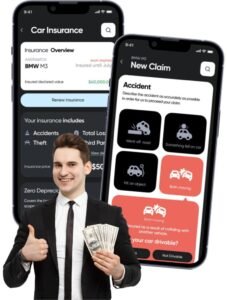
Some companies offer mobile apps that help drivers:
- File claims
- Upload photos
- View policy details
- Track roadside assistance
Usage-based insurance programs can also lower costs for safe drivers who avoid hard braking and speeding.
When Full Coverage May Not Be Worth It
There are situations where full coverage may not make financial sense.
You might reconsider full coverage if:
- The car value is very low
- Premiums are too expensive
- You can afford replacement costs yourself
Still, every driver’s situation is different. A careful cost comparison helps make the best decision.
Questions to Ask Before Buying Insurance
Before choosing a policy, ask these questions:
- What is included in the coverage?
- What is the deductible amount?
- Are rental cars covered?
- Are there discounts available?
- How does the claims process work?
- Is roadside assistance included?
- How much will rates increase after an accident?
Asking questions can help avoid confusion later.
The Future of Car Insurance in the USA
Car insurance continues to change as technology improves. Electric vehicles, self-driving features, and advanced safety systems are shaping the future of insurance pricing.
Drivers may see more personalized pricing based on driving habits and vehicle data.
At the same time, repair costs for modern cars continue to rise because newer vehicles use advanced technology and expensive parts.
FAQs About Full Coverage Car Insurance
What is included in full coverage car insurance?
It usually includes liability, collision, and comprehensive coverage. Some policies may also include medical payments and uninsured motorist coverage.
Is full coverage required by law?
Most states only require liability insurance. However, lenders often require full coverage for financed vehicles.
How can I get full coverage car insurance cheap?
Compare quotes, maintain a clean driving record, raise deductibles, and use available discounts.
Who should buy full coverage insurance?
Drivers with newer vehicles, financed cars, or higher financial risks often benefit the most.
Does full coverage cover engine failure?
Usually no. Insurance covers sudden accidents and damage, not normal mechanical breakdowns.
Can I remove full coverage later?
Yes. Once a car loan is paid off, drivers can change coverage if they choose.
Is full coverage worth it for older cars?
It depends on the vehicle’s value and your financial situation. Some older cars may not need full coverage.
Conclusion
Choosing the right full coverage car insurance is an important decision for drivers in the United States. A strong policy can protect you from major financial losses after accidents, theft, storms, or other unexpected events.
Many drivers search for good full coverage car insurance because they want reliable protection without paying too much. Others focus on finding the lowest full coverage car insurance to fit their budget. The best approach is balancing affordable monthly payments with enough coverage to protect your vehicle and finances.
If you want full coverage car insurance cheap, compare multiple companies, use discounts, keep a clean driving record, and review your policy regularly. Small changes can lead to big savings over time.
The right insurance policy gives more than financial protection. It also provides confidence and peace of mind every time you drive on American roads.